


Why
1.IT IS THE FIRST DOCUMENTARY THAT AIMS TO TELL THE STORY OF FOREST PEDAGOGY IN ITALY.
In Italy, there is still no film that brings forest pedagogy to the screen, so we feel the need to show and tell its story..
2.HERE, THE VOICES WE WILL HEAR ARE ONLY THOSE OF BOYS AND GIRLS.
A film that puts young people at the centre of the narrative and leaves educators and pedagogues out. We will not dwell on explaining what this pedagogy is with an academic and didactic narrative. We believe that showing the experience is the most effective way to reveal what it means to grow up and to remind us what it means to be children.
3.TO EXPLORE NEW REVOLUTIONARY EDUCATIONAL REALITIES THAT INVOLVE THE ENTIRE EXISTENCE OF ALL OF US.
We feel the urgency to spread and share a new educational possibility that puts every single living being at the centre, giving people of all ages trust, respect and support. The risk we see in the educational approach recognised to date is that it will produce adults who are insecure, lacking in autonomy, disconnected from themselves and their needs, uninterested in questioning themselves and opening up to new ideas, bound by duty rather than possibility. This pedagogical approach is an experience that goes beyond pedagogical research and does not only concern the workplace or professional sphere, but involves the entire existence of all of us.
4.THE ENVIRONMENT, HUMAN BEINGS AND THEIR RELATIONSHIP ARE HOT TOPICS IN THIS DAY AND AGE.
In this historical period, there is an increasingly evident and widespread interest in the search for a different, now lost, connection between human beings, the earth and other creatures.
5.EVERYONE CAN FIND INTERESTING IDEAS.
We strongly believe that this documentary has something interesting to offer each and every one of us, as it shows a different way of seeing and experiencing childhood, its beauty and majesty, which calls for profound reflection from every point of view:
insights and stimuli on parenting, spontaneous learning, the role of adults and their educational approach, the innate skills of human beings; on the wild world as an environment in which to train ourselves (senses, motor development, relationships) and which brings us closer to our most ancestral fears, offering us tools to look at them and, above all, overcome them.
WHAT WILL WE SEE?
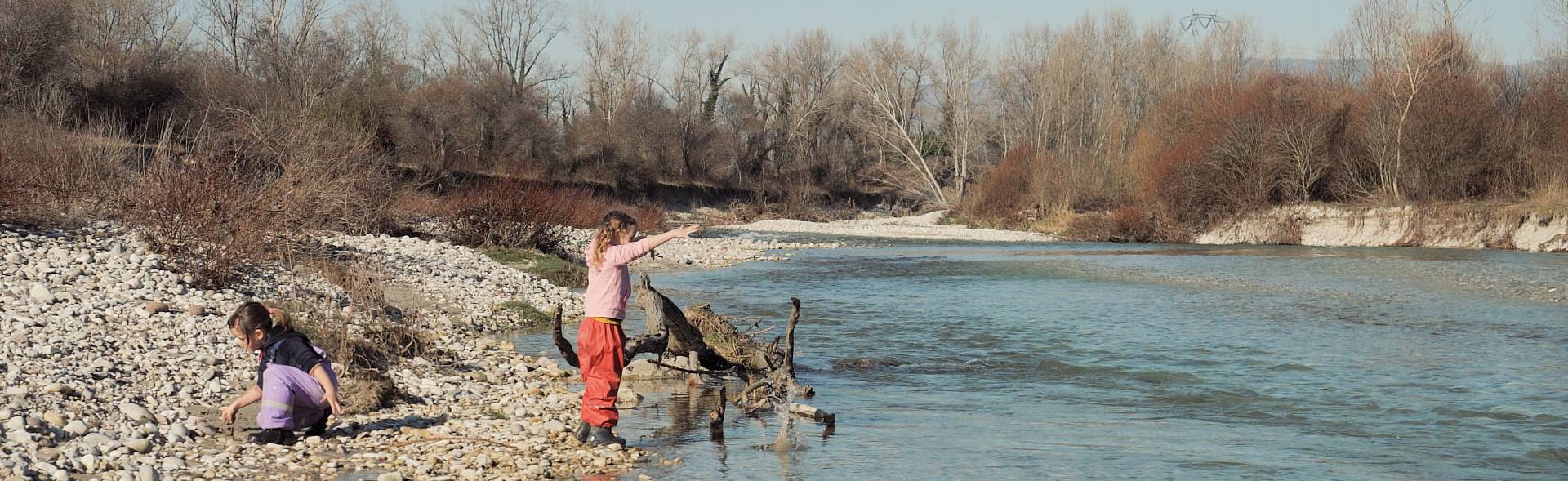
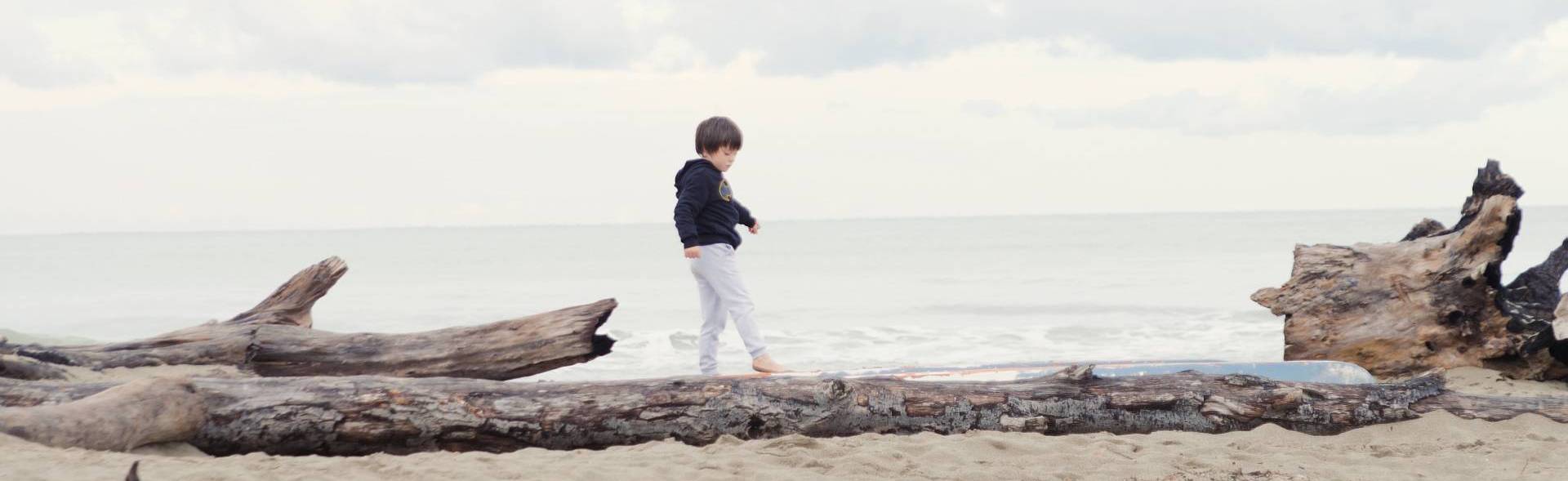
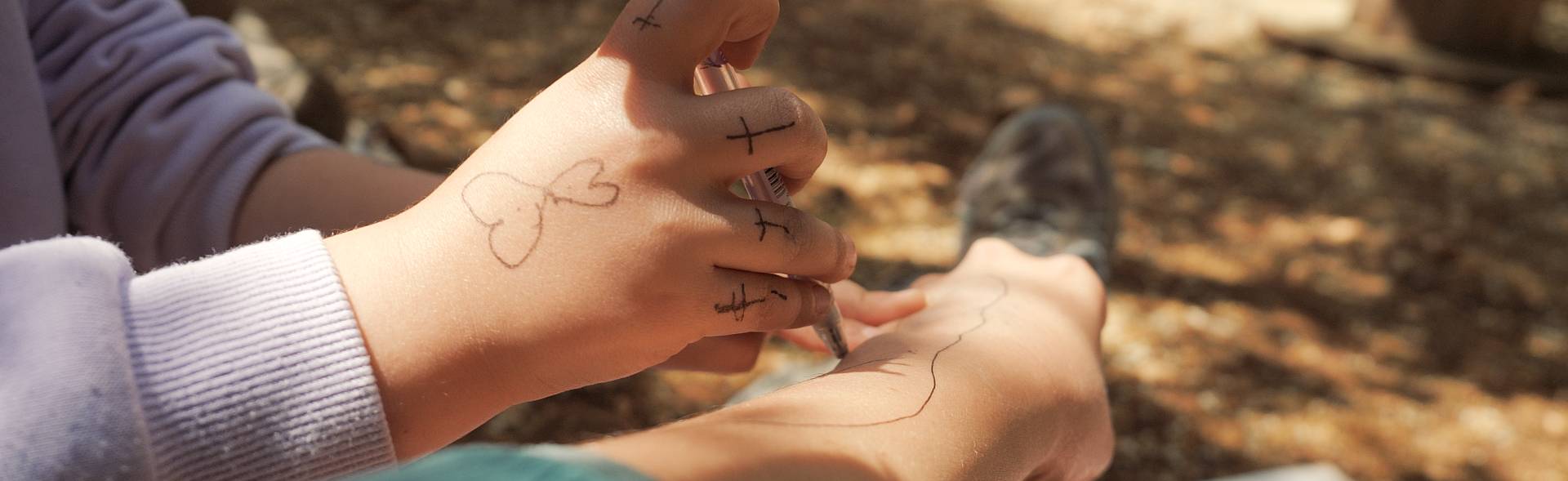
The film presents those moments witnessed; lives and places mix and dance to announce different possibilities for growing, learning, accompanying, educating and living. What we see is spontaneous; the games, situations, responses and footage are not constructed, they are simply what happened. The juxtapositions allow us to float between the similarities and peculiarities of the projects and the lives that make them possible in Italy. Short dialogues and hints of moments are interspersed with more airy interludes. The fragments of what happened expand and allow us to enter into the processes and transformations, such as how to respond to situations, to observe how little people might live their days if they had the opportunity to explore their curiosity, their emotions, their relationships. If they were accompanied in doing so. There is another protagonist, everything that is more than human and that makes life possible: the outside. Designed. Constructed. Spontaneous. Wild. Hints of non-human lives mingle and give rhythm to the narrative. They are the root of that existence. The outside is filmed as it is traversed by human beings, but it is often shown in its essence. Sometimes we can perceive those soft voices that do not need words and anthropogenic noises to be heard. That outside is part of us. Only the presence of those accompanying the camera enters the space itself and allows us to glimpse its breadth and details. We can observe those who inhabit it throughout their existence, in every rotation of the earth, and what human beings leave in its care dy and night. That outside is inside every situation, every relationship, every choice made by those who accompany us. An outside that allows us to encounter the unexpected, just as life does. The film becomes a brief and limited glimpse that opens windows of reflection on what it means to grow up, COME QUANDO FUORI PUOI.
HOW DID WE SHOOT THE FILM?
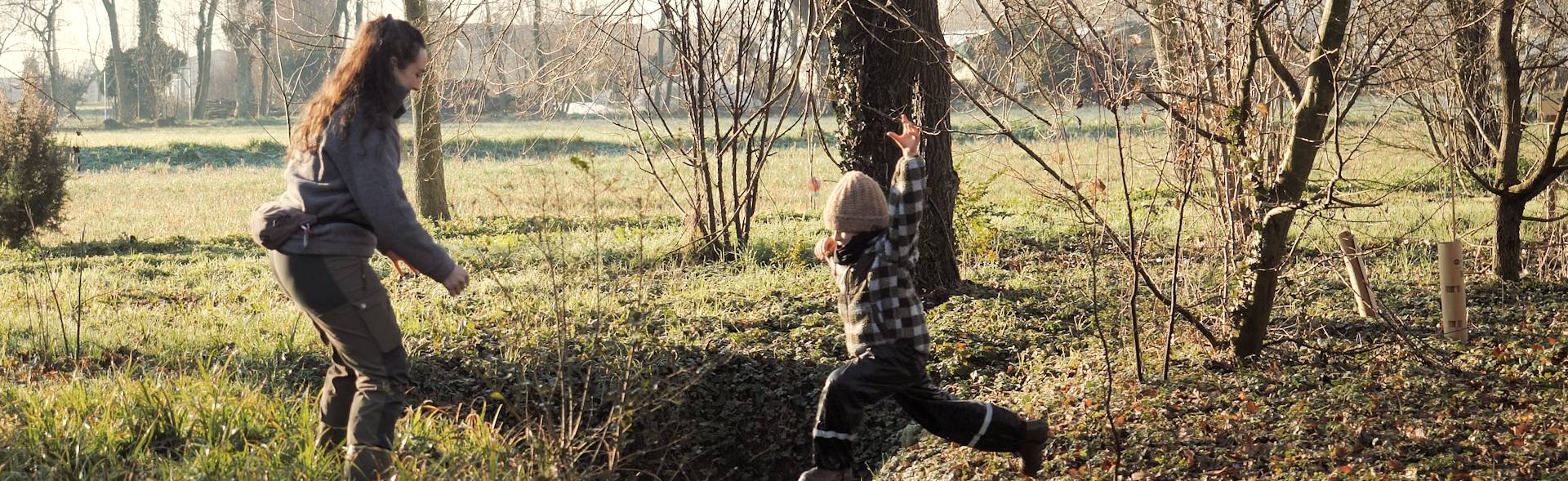
Forest pedagogy is described as a framework of meaning that creates windows of reflection on substantial themes of education such as the relationship with the environment, respect for people, even the smallest ones, for one's own skills and needs, including the need to learn from everyday life and its contemporary complexity. Educĕre, to bring out. Nothing needs to be shaped, just let it flow. If, like a river, growth flows freely along its course, the filmmaker can only serve what happens and emerges without judgement, expectations or planning. What we see is the experience of the person behind the camera, the moments of that person trying to be attentive, silent, present. They engage when called upon. They ask questions to understand, and often nod without commenting, showing attention. It happens that their task is neglected, even with regret, in order to enjoy the present moment, accepting invitations. At other times, they decide to leave the camera to its own devices and become the subject of the shot. We can see parts of their body, their movements, hear their breathing. Thus, the window we look through is sometimes blurred, imprecise, wide or meticulous, revealing the subtleties of the moment as time passes and life happens; even the life of those who have everything to discover.
WHERE AND WHEN?
The film recounts the everyday experiences of three educational forest pedagogy projects in three regions (Veneto, Tuscany and Puglia).
These projects were chosen because they allow us to show how this pedagogical approach is present throughout the country, from south to north, and can be implemented in different natural environments, highlighting how the variety of natural environments in the area calls for an identity response relevant to the context in which they take shape.
Filming took place between September and June 2024, recounting the passing of time in the lives of people young and old, the changing seasons and the consequent need for change that this entails.