



EDUCATION TODAY - forest pedagogy
Over time, the way young people grow up has changed; nowadays, school, a building made up of classrooms, is the designated place for their growth.
A place designed and built to welcome children, a place that safeguards and protects them but at the same time delimits and separates them from the world around them.
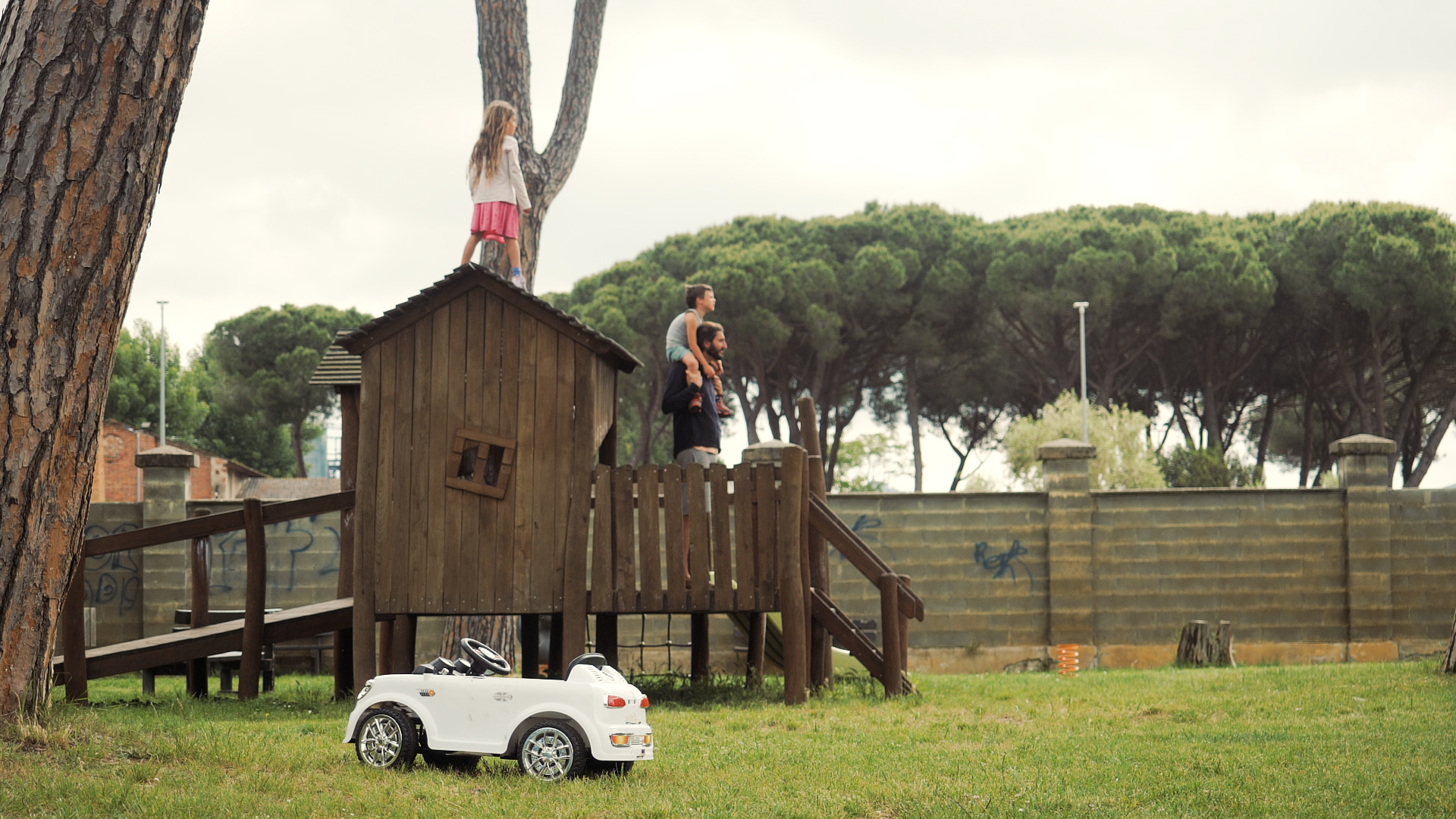
We live in a complex and frenetic historical period, technology distracts us from the real world and young people have less and less space to explore and learn about the world independently. Adults, disoriented and frightened by this complexity, feel compelled to build safe spaces where risk and pain are to be avoided. Educational contexts and relationships are planned, everything is defined: what to learn, how to do it, what goals to achieve. The needs of the youngest are anticipated and adults often take over the management of the relationships and emotions that children experience. There is no space or time to live with people, the important thing is to do. But what does it mean to educate? From the Latin Educĕre, to draw out, to lead out.
Forest pedagogy originated in the Scandinavian school movement, which promotes spending time outdoors "rain or shine", based on the value of friluftsliv ("outdoor life"). This philosophy gave rise to the first mobile nurseries and forest nurseries in the 1950s in Denmark and Sweden, before spreading in the 1990s to England, Germany, the United States, Canada and gradually to many other parts of the world, including Japan, Singapore and Italy. In each country, these types of experiences take on different nuances, depending on the socio-cultural context, the involvement of institutions and, of course, the environment.
Despite the differences in application in different countries, the importance of spontaneous play and the relationship with the wild in the learning paths for young and old alike have emerged as cornerstones of this pedagogical vision and worldview. The role of the adult is questioned and reinterpreted on the basis of a vision of children as competent and driven by an inner urge for socialisation and learning, which becomes the main driving force behind the experience.